If I Want More Demand, Do I Need Unified Ranking First?


Most retail media leads asking this question already know where the money is.
Brands' media budgets are controlled by media buyers and agencies, not the trade teams you meet with. And much of that money sits in the programmatic and agency tools those media teams already use. Connecting that demand to your shelf looks like the obvious next move.
It is the right move, but it's the second one.
Unified ranking comes first, because demand added to a bid-only grid gets you more of the highest bidders, not better ads. The next step after that is usually adding slots to absorb the extra demand, and that's how a site fills up with clutter. Fix how sponsored products are ranked, then connect the demand. In that order, every new bidder makes the page better instead of busier.
TL;DR
- Yes. Unified ranking is the foundation that lets your grid absorb more competition without turning into clutter.
- In a bid-only grid, more bidders raise the price of the winning bid but don't make the winning ad more relevant. Absorbing more demand then pushes you toward more ad slots.
- With unified ranking, more bids mean more candidates for each slot, and an ad only takes a slot if it's expected to perform at least as well as the organic result it replaces.
- One U.S. department store tested unified ranking first, kept its ad load constant, then connected more demand. Its incumbent source went from 8 to 24 bids per request, and up to 40 bids competed for the same 8 positions (Pentaleap U.S. department store case study).
- Ranking first doesn't mean waiting a long time for demand. Pentaleap typically puts the ranking foundation in place inside the same test, before adding new demand on top.
"Onsite retail media is saturated. It won't scale any further." Is the real problem demand?
Partly. When onsite retail media stops growing, two problems are usually keeping it there, and they look similar from the outside.
The first is access. New budgets are hard to reach, not because the demand isn't there, but because buying your inventory involves too much friction. Brands stick to the tools they already use, and if your inventory isn't reachable there, that budget goes elsewhere.
The second is relevance. When sponsored products and display are ranked by bids instead of relevance, every additional ad slot risks pushing shoppers away. Your site shouldn't carry more ads until it can carry them well.
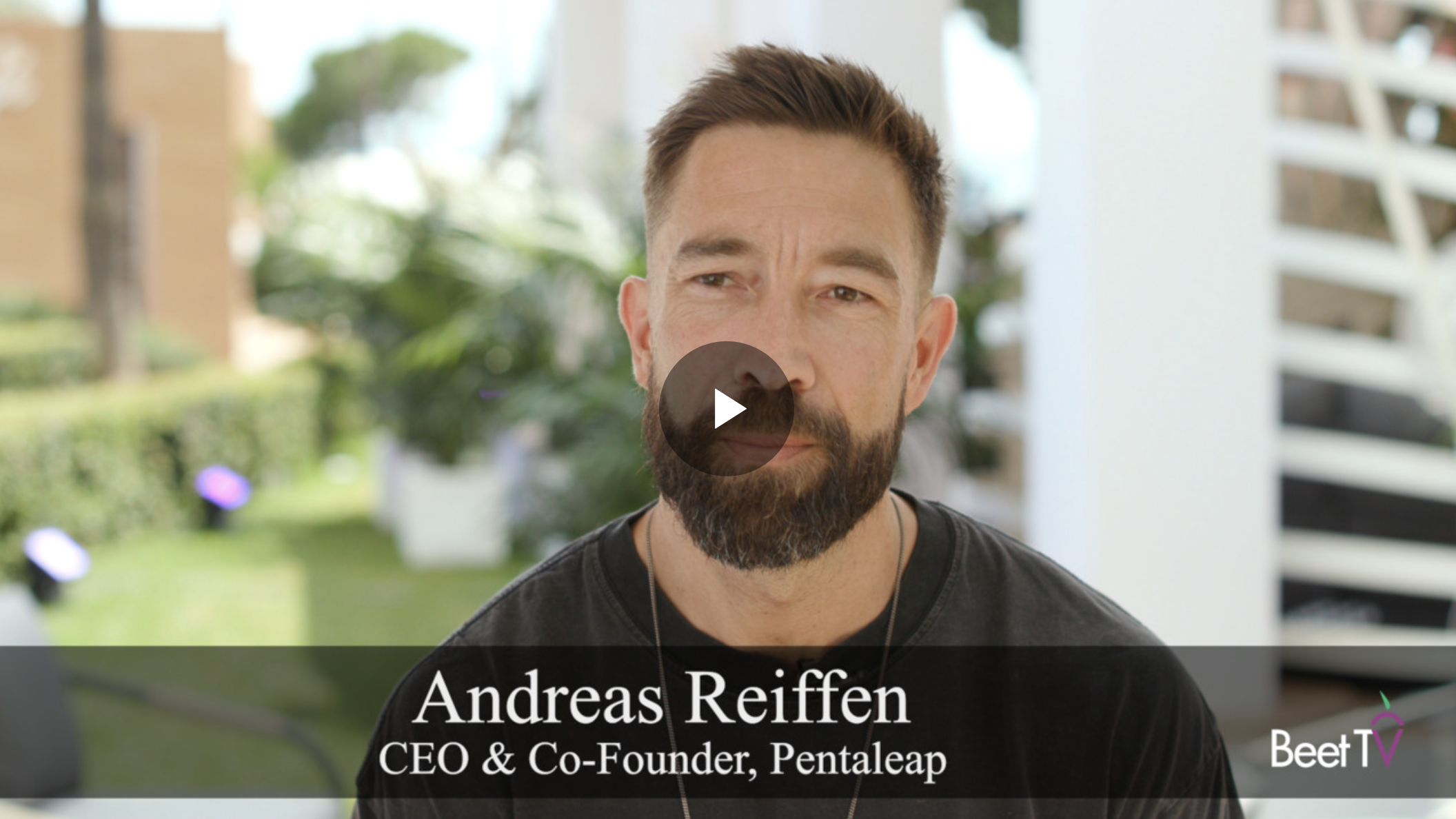
Most demand conversations only address the first problem. Pentaleap CEO Andreas Reiffen made the same argument about Amazon's lead: it rests on sponsored products relevant enough that shoppers keep clicking, plus open access for many demand sources, and his prescription is to fix relevance first and then open up demand. We covered that conversation in why retail media's Amazon gap comes down to two fixable problems.
What happens when you add demand to a bid-only grid?
In a bid-only grid, a sponsored slot goes to whoever bids the most, whether or not their product matches the search. Adding demand sources means more bidders for each slot. That raises the price the winner pays, which looks good on a revenue report for a while. It doesn't change who wins. The highest bid still takes the slot, and the highest bid still has no particular reason to be the most relevant product.
Then the pressure shifts. You've connected new demand, so there are more advertisers who want visibility than there are slots to give them. The obvious way to monetize that demand is to add slots, and in a bid-only grid each of those slots is another chance to show a product the shopper didn't want. When ads are irrelevant, media growth starts eating into ecommerce revenue, and neither side wins.
That's the pattern behind a lot of revenue lines that grow while the page gets worse. We've looked at how to spot it in whether your sponsored revenue is growing or just getting more dense.
What changes when unified ranking comes first?
With unified ranking in place, more demand gives the ranking more options instead of more pressure.
Unified ranking scores sponsored and organic products together, using the relevance signals your search and personalization AI already applies to organic results. When a new demand source connects, its bids join the same auction and compete on the same terms. Pentaleap applies a relevance threshold on top: an ad only takes a slot if it's expected to perform at least as well as the organic result it replaces. So a deeper auction means more candidates for each slot, and a better chance that one of them is the right product for this shopper.
That's why the order matters. In a bid-only grid, competition raises the price of whatever wins. In a unified grid, competition raises both the price and the relevance of what wins, which is the version that's good for shoppers, advertisers and your ecommerce business at the same time.
Fixing the ranking alone, before any new demand, already moves the numbers. Retailers running Pentaleap alongside a legacy ad server have seen a 101% increase in ad revenue, 152% more click-through and 35% higher conversion once ranking is fixed, per Pentaleap internal data from H1 2026. If you want the underlying model, why unified ranking performs better explains it.
What does the sequence look like in practice?
A leading U.S. department store followed this order step by step, and its case study is public.
It started by A/B testing unified ranking on a subset of traffic, keeping its ad load the same. In that initial test, ad revenue rose 78% and conversion value rose 152%, with no new ad slots added. It then expanded across devices and placements at the same ad load, where the lift settled at 23% more ad revenue and 47% more conversion value. Only then did it connect more demand sources so more bids could compete for the same positions.
The demand step changed the depth of the auction, not the size of the footprint. Previously, 8 sponsored slots meant 8 products returned. With Pentaleap's real-time bidding (RTB) demand approach, the incumbent source went from 8 to 24 bids per request, and with additional demand connected, up to 40 bids competed for the same 8 positions (Pentaleap U.S. department store case study).
Forty bids for eight slots is where unified ranking earns its keep. In a bid-only grid, thirty-two of those bids would only have pushed the price up. In a unified grid, they're thirty-two more chances to find a product the shopper actually wants.
Does putting ranking first delay the demand revenue?
Not by much.
Pentaleap typically puts the ranking foundation in place inside the same test, before adding new demand on top. Larger networks can take it slower: the department store above scaled ranking first and connected demand once results held. The ranking change runs alongside your existing stack, measured by your own team, with no change to existing advertiser campaigns, your frontend or your search engine.
Your existing demand doesn't pause either.
Current advertisers keep bidding exactly as before. New demand, once it's connected, competes for the same slots without replacing anyone already there. The difference is more competition per impression, which is what raises the price, not a smaller share for anyone already in.
The same goes for your sales team.
Strategic brands can stay in direct sales, and other brands only enter the auction when your team approves them, at floor prices your team sets. We've covered that in whether programmatic demand cuts out your direct sales team.
What comes after ranking and demand?
Ranking is the foundation, and connecting demand from programmatic partners and the agency tools brands already use is one way to build on it.
Retailers can also extend beyond onsite, managing onsite, offsite and in-store campaigns through orchestration partners such as Zitcha and Osmos, so brands you already work with can spend across more than one channel.
Those later steps can be sequenced around your own priorities.
The foundation can't. Every channel and every demand source you add competes for the same grid, and the grid needs to rank on relevance before it can carry more of either. For the demand side specifically, see how Pentaleap approaches connecting incremental advertiser demand.
Three diagnostic questions
- If a new demand source doubled the number of bids for every sponsored slot tomorrow, would the winning ads be more relevant, or just more expensive?
- When your team last added sponsored slots, did click-through and organic conversion on those pages hold up?
- Does your current ad server rank sponsored products using your search engine's relevance, or its own logic?
What decision does this leave you with?
The decision isn't whether to connect more demand.
You should, because that's where the budgets are. The decision is whether your grid is ready to turn more bids into better ads. Ask any demand vendor one question before signing: when more bids arrive for the same slot, what decides which one wins? If the answer is the bid alone, fix the ranking first.
Key Takeaways
- Unified ranking is the foundation that lets a grid absorb more demand without turning into clutter, so it comes before connecting new demand.
- In a bid-only grid, more bidders raise the price of the winning bid without making it more relevant, and absorbing that demand pushes retailers toward more ad slots.
- In a unified grid, more bids mean more candidates per slot, and an ad only takes a slot if it's expected to perform at least as well as the organic result it replaces.
- Fixing ranking alone has produced a 101% ad revenue lift, 152% more click-through and 35% higher conversion (Pentaleap internal data, H1 2026).
- A U.S. department store fixed ranking first at the same ad load, then connected demand: its incumbent source went from 8 to 24 bids per request, and up to 40 bids competed for the same 8 positions (Pentaleap U.S. department store case study).
- Ranking first doesn't stall demand. Pentaleap typically puts the foundation in place inside the same test, and existing advertisers keep bidding throughout.
Frequently Asked Questions
If I want demand, do I need unified ranking?
Yes. Unified ranking is the foundation the rest of the model builds on. It's what lets your grid absorb more competition without turning into clutter. Pentaleap puts that foundation in place first, typically inside the same test, before adding new demand on top.
Will connecting new demand crowd out my existing advertisers?
No. New demand competes for the same slots and doesn't replace anyone already there. Your current advertisers keep bidding exactly as before. The difference is more competition per impression, which is what raises the price.
Does adding demand mean adding more ad slots?
No. In Pentaleap's model, new demand deepens the auction for the slots you already have. In one U.S. department store, up to 40 bids competed for the same 8 sponsored positions after more demand was connected.
Where does the new demand come from?
From brands' media budgets, which are usually controlled by media buyers and agencies rather than the trade teams retailers work with directly. Pentaleap connects onsite inventory to sources including Teads and the agency tools brands already use, such as Skai and Pacvue.
Is this actually incremental revenue, or my trade budget moved around?
It's a different budget. Trade budgets are close to fixed. Connected demand reaches the media budgets those same brands control but have had no reason to spend on your site: different money, a different decision-maker, the same brand.
Can we start with demand and fix ranking later?
You can connect demand to a bid-only grid, but more bids will raise prices without improving which ad wins, and absorbing that demand tends to mean adding slots. Fixing ranking first means every new bidder improves relevance as well as price.
Stay Ahead with Retail Radar
Subscribe for cutting-edge insight into the latest retail media developments and trends